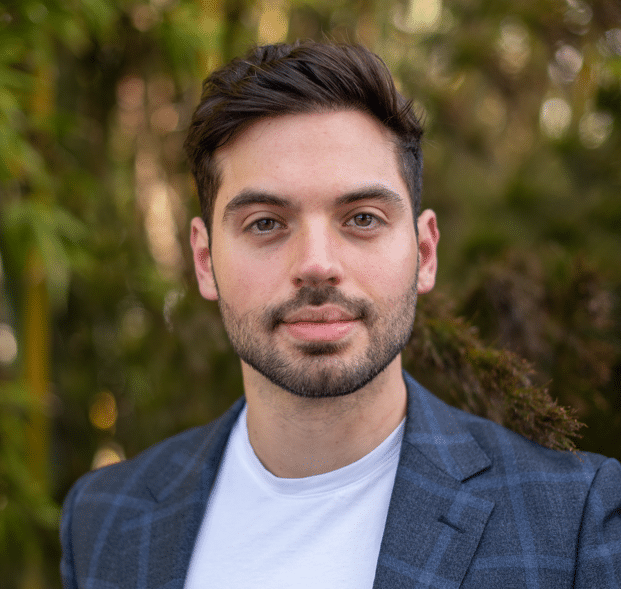
Dr. Elie Gottlieb is a sleep neuroscientist with over 10 years of applied sleep & circadian science experience spanning academia, pharmaceutical research, and consumer sleep technology. He’s currently the Head […]
Dr. Elie Gottlieb is a sleep neuroscientist with over 10 years of applied sleep & circadian science experience spanning academia, pharmaceutical research, and consumer sleep technology. He’s currently the Head of Applied Sleep Science at SleepScore Labs, and previously led a team of researchers at Johnson & Johnson working on the Lake Nona Life Project. He remains a visiting researcher at the Florey Institute of Neuroscience and the University of Melbourne in Australia, investigating the role of sleep-wake dysfunction in neurodegenerative disease.
Consumer sleep technologies (CST) have evolved far beyond simple sleep tracking, offering both measurement and behavioral intervention capabilities. This presentation will explore the latest evidence-based use-cases of consumer sleep tech, highlighting their role in population sleep health, behavioral sleep improvement, and circadian optimization.
Attendees will gain insight into the latest American Academy of Sleep Medicine (AASM) guidelines on the application of CST beyond sleep tracking, particularly for sub-clinical populations. The session will differentiate between validated and unvalidated use cases of sleep wearables and apps, with a focus on evidence-based digital sleep health programs.
Presentation Description
Key topics include:
The Evolution of Consumer Sleep Technology: From actigraphy to AI-powered insights.
Measurement vs. Intervention: The role of consumer devices in longitudinal sleep health tracking.
Validated Behavioral Change Techniques (BCTs): How CST integrates sleep coaching, goal-setting, and digital CBT-I principles.
The Role of AI and Digital Sleep Coaching: Opportunities and challenges in delivering personalized, actionable sleep guidance.
Clinical and Sub-Clinical Applications: How CST can support behavioral sleep improvements and early screening.
Future Directions: Where consumer sleep technologies are headed, including AI-driven personalization, gamification, and clinician integration.
By the end of the presentation, participants will be able to critically assess the efficacy of various CST solutions, understand their potential limitations, and apply judgment on their best use cases across different populations.
Learning Objectives
Discern Evidence-Based Use Cases of Consumer Sleep Technology
Identify the latest AASM guidelines on consumer sleep technologies, including their validated applications in sleep measurement and behavioral interventions.
Understand the diagnostic limitations of CST and its role in sub-clinical sleep improvement.
Evaluate the Effectiveness of Digital Sleep Health Programs for Improving Sleep & Circadian Functioning
Assess the evidence supporting sleep apps and wearables in behavioral sleep improvement, including validated behavior change techniques (BCTs) such as feedback, goal-setting, and digital CBT-I.
Recognize how CST can be leveraged for longitudinal sleep tracking and real-time habit modifications.
Apply Critical Judgment in Recommending Consumer Sleep Technologies for Different Populations
Distinguish the appropriate use of CST for general consumers, individuals with sub-clinical sleep issues, and those needing clinical intervention.
Consider factors such as accuracy thresholds, personalization, and AI-driven insights when integrating CST into sleep health discussions.
Copyright ©2026 BreakAway Media Group, LLC. All rights reserved.